Our scarcest resource is volunteer time. So the sooner we know where pests are, the better we can focus our efforts. That is why cameras have become an important part of our toolkit.
We now use three types, each with its own strengths.
Trail cameras are inexpensive and record to an SD card. The catch is that we only see the footage when someone collects the card. A cat might pass a camera two days after a visit, and we may not know for three or four weeks.
Home security cameras, fitted with SIM cards, send footage of any movement straight to an app on our phones. One of these captured our first kiwi in July. They also record branches moving in the wind, which is less exciting.
Thermal cameras from The Cacophony Project also use SIM cards, and send us a daily report of every heat signature from the past 24 hours. Built-in AI identifies birds, cats, possums, mustelids and rodents, and it gets smarter each time we confirm what it has seen. Night-time flights are most likely ruru (morepork).
The real-time information has already made a difference. When a camera spotted a cat, Predator Control Coordinator Eric Hamilton set a trap in that location. When pigs show up, we call our local pig hunter, who usually comes out within a day or two. We have even watched mustelids in their distinctive looping, hopping run – one swimming across a stream.
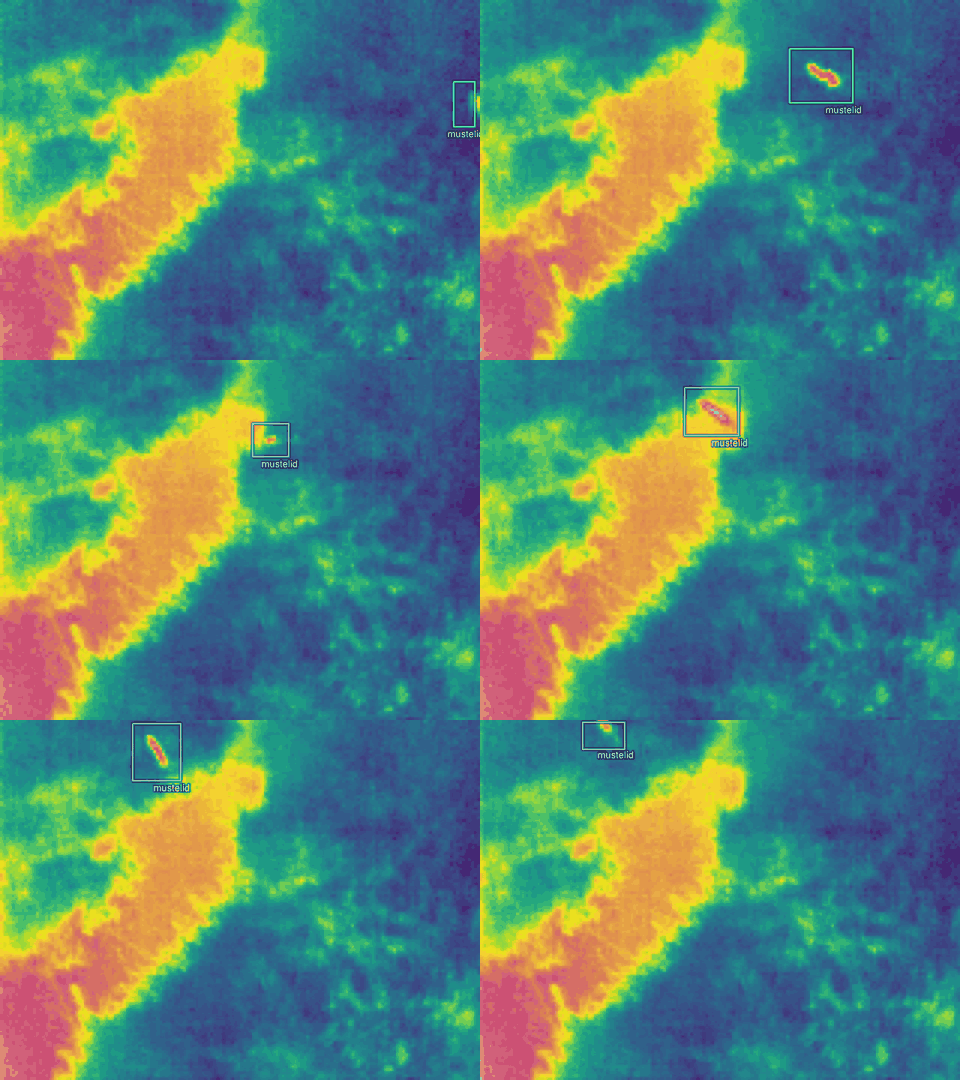
A mustelid caught on one of our thermal cameras, slowed to half speed. Watch for its distinctive hopping run.
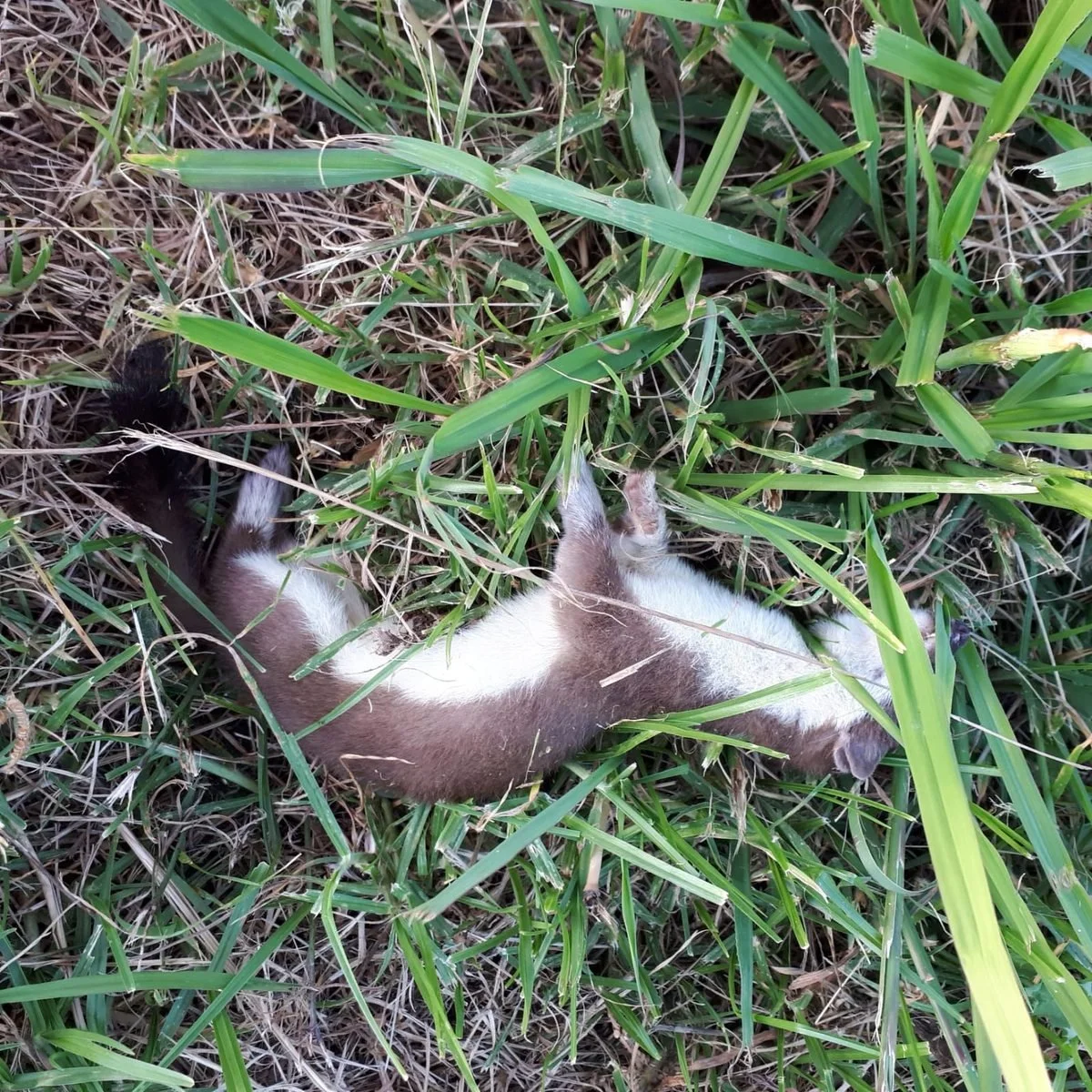
Not sure what a mustelid looks like? This is a stoat, one of three mustelids in New Zealand along with ferrets and weasels. Look for the black tip on its tail.
Next, the Trust would like to set up a mesh network across the area, linking cameras and automated traps through a single connection. "That's where we see technology going," Eric says, "getting daily reporting or instant reporting, so you can act much quicker."